
What is Pipe Bursting and How It Works
Pipe bursting is a trenchless pipe replacement method used to replace certain underground lines by breaking the existing pipe apart and pulling a new pipe into the same path. It is popular because it typically requires only small access pits instead of a long trench, which helps reduce disruption to yards, driveways, and hardscaping.
At Fairfax Plumbing NV, we also make one important distinction up front because the term “pipe bursting” can be confusing.
- Pipe bursting as a method is a planned trenchless replacement technique.
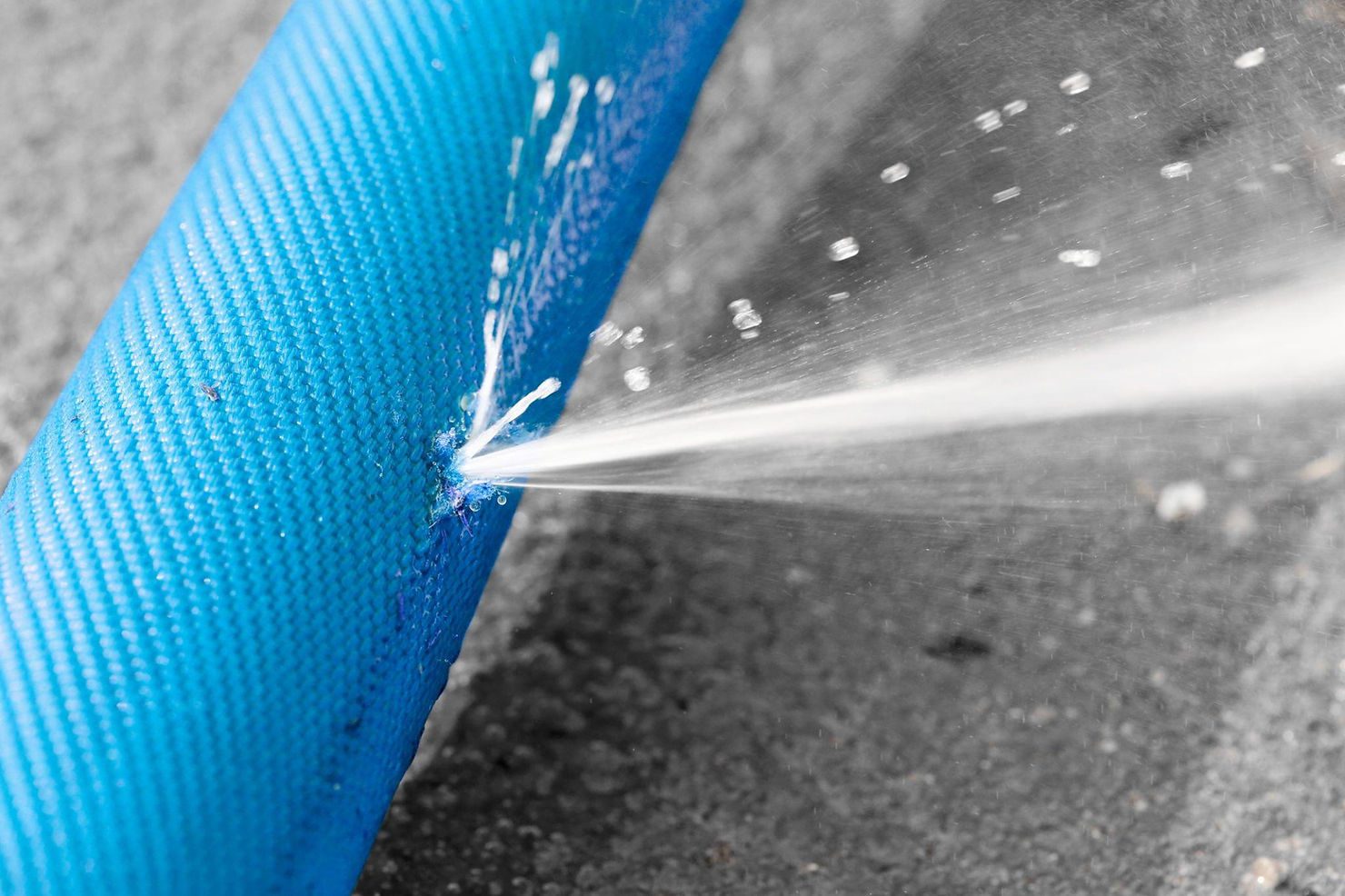
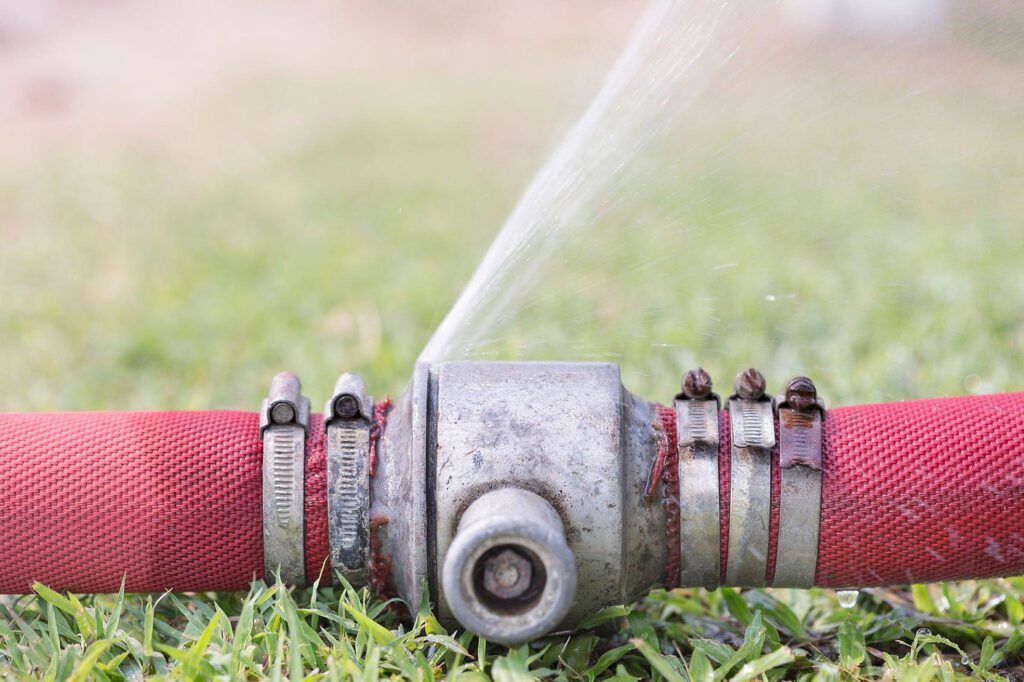
- A pipe that “bursts” unexpectedly is usually a pressurized water supply line failure.
- Drain and sewer lines generally do not burst from pressure the same way supply lines do, because they are not constantly pressurized. Drainage lines usually fail by cracking, separating at joints, collapsing, or backing up.
This article is about pipe bursting as a trenchless replacement method, and it also explains how it applies differently to sewer lines versus water service lines.
What is pipe bursting?
Pipe bursting is a trenchless technology used to replace an old, damaged, or undersized underground pipe. A specialized bursting head is pulled through the existing pipe. As it moves forward, it fractures the old pipe outward into the surrounding soil while simultaneously pulling a new pipe into place behind it, most commonly high density polyethylene (HDPE).
Because the new pipe follows the same route, excavation is usually limited to an entry pit and an exit pit.
How does pipe bursting work?
While each job is different, the process typically looks like this:
1. Inspection and planning
We often start with a camera inspection for sewer lines to confirm the condition, size, and route, and to verify the line is a good candidate for bursting.
2. Access pits are created
Small pits are dug at the start and end of the replacement section.
3. Equipment setup
A pulling unit (often hydraulic) is positioned to pull the bursting head through the old pipe.
4. Burst and pull
The bursting head travels through the old line, breaking it apart while towing the new pipe behind it.
5. Connections and testing
The new line is tied into the existing system, then tested to confirm proper flow and integrity.
Sewer pipe bursting vs water line pipe bursting (the key difference)
Pipe bursting can be used on both sewer lines and water service lines, but the goals and requirements are different.
Sewer line pipe bursting
- Purpose is to replace a failing gravity sewer line affected by cracks, root intrusion, corrosion, offsets, or partial collapse.
- Grade and alignment matter. The new pipe must maintain proper slope for drainage.
- Typically followed by verification testing and sometimes a camera confirmation.
Water service line pipe bursting
- Purpose is to replace a leaking, corroded, or undersized underground pressurized water service line, often between the meter and the home.
- Work must account for proper pressure ratings, shutoff coordination, and safe reconnection.
- Water line bursting is also used when the goal is improved flow by upsizing a restricted line.
This is separate from an emergency “burst pipe” inside a home, which is a sudden supply line rupture and is handled as an immediate repair, not a trenchless replacement method.
When should you consider pipe bursting?
Pipe bursting may be a good option when you need full replacement but want to avoid major excavation, such as when a line runs under:
- Driveways, sidewalks, patios, or decks
- Landscaping you want to preserve
- Areas with limited access for trenching
Common situations include:
- Replacing damaged sewer lines
- Repairing severely deteriorated lines where lining is not appropriate
- Upsizing to a larger diameter to improve capacity or flow
- Replacing older pipe materials that repeatedly fail
When pipe bursting may not be the best choice
Pipe bursting is not right for every scenario. Limitations can include:
- Pipes with severe misalignment where the bursting head cannot pass
- Certain materials or site conditions, depending on soil, depth, and nearby utilities
- Locations where expansion outward could risk nearby structures or sensitive utilities
- Situations where only a small section needs repair and spot repair is more practical
A professional evaluation is the best way to confirm feasibility.
Pros and cons of pipe bursting compared to excavation
Benefits
- Less surface disruption with only small pits in many cases
- Often faster overall completion and less restoration work
- Can replace the entire line, not just a section
- Allows upsizing in many situations
Drawbacks
- Requires specialized equipment and experienced technicians
- Not suitable for every pipe condition or location
- Access and utility congestion can increase complexity
- Soil displacement during bursting requires careful planning
What pipe is used for pipe bursting?
The most common replacement material is HDPE (high density polyethylene) because it is:
- Flexible and durable
- Corrosion resistant
- Suitable for continuous lengths, reducing joints
- Commonly approved for trenchless methods
In some cases, other materials may be used depending on local code and the application.
How much does pipe bursting cost?
Cost varies based on factors such as:
- Length of the run being replaced
- Pipe diameter
- Depth and access
- Number of connections and tie ins
- Soil conditions and proximity to other utilities
- Whether it is a sewer line or pressurized water service line
Because every site is different, the best way to price it accurately is an on site evaluation. Fairfax Plumbing NV can inspect the line, confirm whether pipe bursting is appropriate, and provide a written estimate with options.
How to choose the right pipe bursting contractor
Look for a contractor who can show:
- Proven trenchless experience with pipe bursting specifically
- Proper licensing and insurance
- A clear plan for inspection, replacement, and testing
- Transparent pricing and warranty terms
- A process for utility locating and protection
Summary
Pipe bursting is a trenchless replacement method that can be an excellent solution for both sewer line replacement and water service line replacement, with far less digging than traditional excavation in many cases. It is important not to confuse trenchless pipe bursting with an emergency “burst pipe” in the home. Supply lines can burst from pressure and freezing, while drainage lines typically fail through leaks, cracks, collapse, or backups.