
Who Is Responsible for Gas Line Repair?
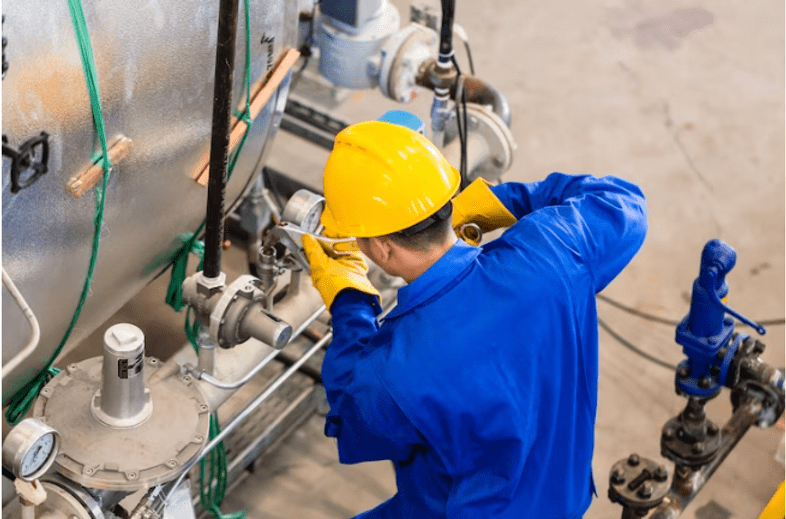
Natural gas has changed the way many homes and businesses operate because it burns efficiently and, when equipment is working correctly, it is a dependable energy source. The key is safety. Gas piping, fittings, and appliance connections need to be maintained, and any suspected issue should be handled immediately by qualified professionals.
At Fairfax Plumbing NV, we take gas line concerns seriously. If you suspect a gas leak or a problem with your gas piping, do not wait. You need both our licensed plumber and our licensed gas fitter to diagnose the issue, isolate the problem, and complete repairs to code.
What is gas line repair?
Gas line repair is the process of locating and fixing problems in a natural gas or propane piping system. Repairs may involve tightening or replacing fittings, replacing damaged pipe sections, correcting improper connections, repairing appliance shutoff valves, or addressing corrosion and wear.
Because gas systems must meet strict safety standards, proper diagnosis and repair should be completed by licensed professionals. At Fairfax Plumbing NV, our plumber and gas fitter work together to ensure the repair is safe, compliant, and properly tested.
Who is Responsible for Gas Line Repair?
In most cases, responsibility is split between the utility provider and the property owner.
- The gas utility company is typically responsible for the gas main and equipment up to and including the meter, depending on your local utility rules.
- The property owner is usually responsible for the gas piping after the meter, including interior gas lines, appliance connectors, and shutoff valves.
Because rules vary by location and provider, Fairfax Plumbing NV can help you understand what applies at your property and coordinate next steps when needed.
Common warning signs of a gas leak or gas line problem
If you notice any of the following, treat it as urgent.
- Rotten egg or sulfur smell (odorant is added to help detect natural gas)
- Hissing or whistling near a gas line, meter area, or appliance connection
- Dead or discolored vegetation near an exterior gas line
- Unusual pilot light or burner flame such as weak, flickering, yellow, or orange flames instead of steady blue
- Corrosion or visible damage on exposed piping or connections
- Unexplained increase in gas bills without increased usage
- Carbon monoxide alarm sounding (this can indicate a combustion or venting problem, which still requires immediate attention)
Symptoms that may be caused by gas exposure
Gas exposure can affect people differently. If you suspect a leak and anyone experiences symptoms, leave immediately and get help.
Possible physical symptoms include:
- Headaches
- Dizziness or lightheadedness
- Nausea or vomiting
- Fatigue or weakness
- Shortness of breath
- Irritated eyes or throat
If symptoms are severe, seek medical care right away.
How to confirm you may have a gas leak
You should not try to “track down” a leak using open flames or anything that could create a spark. Signs that strongly suggest a leak include:
- The smell of gas
- Hissing sounds near piping or an appliance connection
- Bubbles in standing water near an outdoor line
- A carbon monoxide alarm or unusual appliance operation
The safest confirmation comes from professional testing. Fairfax Plumbing NV can perform proper leak detection and pressure testing using approved methods and equipment. This is where you need our plumber and our gas fitter, not a DIY approach.
What to do if you suspect a gas leak
- Leave the building or area immediately and get everyone to a safe location.
- Do not use anything that could ignite gas, including light switches, garage door openers, phones inside the building, matches, candles, or vehicles parked in an attached garage.
- Call your gas utility emergency number or 911 from a safe location if you believe the leak is significant or you are unsure.
- After the area is safe and authorities approve, call Fairfax Plumbing NV so our plumber and gas fitter can diagnose the issue and complete repairs correctly.
How to prevent gas leaks
Preventive steps can reduce risk and help you catch issues early.
- Schedule regular inspections of gas piping and appliances, especially in older properties
- Have gas appliances installed and serviced by qualified professionals
- Keep an eye out for corrosion, loose fittings, or damage on exposed piping
- Install carbon monoxide detectors on each level of the home and near sleeping areas
- Know where your gas shutoff valve is, and make sure it is accessible
Earthquake shut off valves
In areas where seismic shutoff valves are recommended or required, an earthquake shut off valve can help reduce risk by shutting off gas flow during seismic activity. If you want to know whether this is appropriate for your property, Fairfax Plumbing NV can advise and install the correct device where permitted.
Who do you call to fix a gas leak?
If you believe there is an active leak, call your gas utility emergency line first when appropriate, especially if the odor is strong or you hear hissing.
For repairs on customer owned gas piping and appliance connections, call Fairfax Plumbing NV. Gas line work is not a standard DIY project. You need our licensed plumber and our licensed gas fitter to handle the repair, testing, and verification that the system is safe.
Risks of DIY gas line repair
DIY gas line repairs can lead to:
- Fires or explosions
- Ongoing leaks due to improper fittings or sealants
- Damage to appliances and regulators
- Code violations and failed inspections
- Serious injury or loss of life
Gas systems must be repaired with the correct materials, sizing, fittings, and testing procedures. Professional work is the safest option and often required by law.
FAQ
Who is responsible for the gas pipe to the meter?
In many areas, the utility company is responsible for the piping up to the meter. Rules vary, so it is best to confirm with your gas provider.
Who is responsible for gas piping after the meter?
Typically, the property owner is responsible for gas lines after the meter, including indoor piping and appliance connections.
What is the role of a gas line?
Gas lines deliver natural gas or propane to appliances such as furnaces, boilers, water heaters, fireplaces, stoves, and dryers. Safe installation and maintenance are critical to prevent leaks and combustion issues.
Conclusion
Gas line repair is serious work that requires professional training, proper tools, and code compliant testing. Property owners are often responsible for gas piping on their side of the meter, and quick action can prevent dangerous situations.
If you suspect a leak or have concerns about your gas system, contact Fairfax Plumbing NV. You need our plumber and our gas fitter to diagnose the problem, complete repairs safely, and make sure everything is tested and operating correctly.